
Above All, a Community: New Look, New Resources, New Website for the American Literary Translators Association
A conversation between Sean Gasper Bye, Sophia Marisa Lucas, and Rachael Daum
We hope the new website will help strengthen the links that make ALTA not just an organization, but a community.
Rachael Daum (RD): First of all, congratulations to the both of you on the full relaunch of the American Literary Translators Association (ALTA) website! I know this represents many months of work and collaboration. Before we discuss the new website itself, however, I wonder if Sean, as ALTA’s Interim Executive Director, would be willing to speak a little about ALTA as an introduction to those who may be unfamiliar? What does ALTA do, and whom does it serve? What is ALTA known for?
Sean Gasper Bye (SGB): Thank you, Rachael. As the only organization in the United States devoted exclusively to literary translators, ALTA’s mission is to support their work, advance the art of literary translation, and connect students, teachers, publishers, and readers of literature in translation.
We’re a nonprofit arts membership association. Our programs include the annual ALTA conference, which is the largest gathering of literary translators in the country, and online gatherings and workshops. ALTA also runs awards to recognize excellence in translation and provides fellowships and mentorships to support emerging translators.
To my mind, what ALTA is above all is a community. We’ve been active for nearly 50 years. Some of our members have been with us for that whole journey, others are newcomers. We work with many different languages and genres. But we’re all united by a love for literature in translation.
RD: Sophia, as ALTA’s Membership and Digital Projects Coordinator, you’ve been at the very heart of the website relaunch. When was the last time the website was updated? Why is this relaunch necessary now?
Sophia Marisa Lucas (SML): The last major update to the website was in 2014. Over the last ten years there have been many changes in website conventions, from navigation features and organizational structures to accessibility standards. The goal with this redesign was to bring ALTA’s website current in those terms, while also creating a platform that is current with ALTA’s specific needs and offerings. When the prior website was designed there were fewer features and less content, so as ALTA grew its web presence, it simultaneously outgrew the website structure. The new site accommodates resources, communication, and organizational history in a way that we hope will appeal to and better serve members and visitors of all kinds.
RD: Would you give an overview of what this project has looked like? What were the priorities you set out for the new website?
SML: The project began with an audit of how the website was working for multiple stakeholders: members, prospective members, staff, collaborators and peers, translation enthusiasts, etc. A major component of this research involved a survey that collected responses from anyone in ALTA’s community about how they used the prior site, what it lacked, and what they hoped to see in a new site. We also convened a “Website Task Force” made up of ALTA members. They were a crucial sounding board throughout the process. Staff also dedicated time to reconsidering their reliance on certain software, their workflows, and goals, so that this project could also encompass an effort to streamline operations.
During the discovery process, it became clear that it would be impossible to solve the “problems” of the website without exploring updates to its integration with ALTA’s membership system (CRM) and a potential brand identity redesign or refresh. This made for a more ambitious scope of work, but we were lucky to identify a willing partner in New Information and their collaborator Cold Rice. We were able to hit the ground running on design and information architecture before moving into the complicated space of improving the website and CRM integration.
All-in-all it’s been a great success. The result is this multi-pronged effort that has helped ALTA satisfy several of its strategic goals.
RD: Would you be willing to speak a bit about the goals of the new site, and how this will serve ALTA’s membership and wider community?
SGB: Above all we wanted to respond to our members’ desire for a site with robust resources and information that was also easy to use. As ALTA has grown, our programming and what we can offer to members has expanded as well. This was steadily making the old site more and more complex – we needed a redesign so that we could integrate these new features directly into the architecture of the page.
So, the first thing users will notice is, of course, the stunning new design New Information made for us. But the second thing is how simple the site is to navigate, and how easy it is to find the information you’re looking for, whether it’s conference dates, upcoming deadlines or news from our members. But the real gems are our translator, publisher and awards databases – vital resources for our community, now accessible to members in an easy and intuitive way.
We hope the new website will help strengthen the links that make ALTA not just an organization, but a community. And we hope it will make it easy to see the benefits of joining our community as a member.
RD: Sophia, can you speak about some of the improvements on the site that will make it easier for membership to use and access? How did our developers tackle these improvements?
SML: One of the most exciting things we’ve been able to accomplish, specifically through the integration work our developer did, is that we’ve gone from three different member logins on the website to one! This resolves a lot of confusion on the part of members and makes for seamless between systems for both users and staff. Now, once members log in, they access a unified dashboard where they can find all of their members-only resources and manage their account.
We have also bolstered member resources with a revamping of our Translators Database (member directory) and Publishers Database as well as the addition of an integrated Video Library. Now ALTA members can include images and bios in their profiles, which are accessible via dedicated URLs that can be linked elsewhere. We felt this was an important feature to have, especially for early career translators who rely on their affiliation with ALTA as a professional credential.
Another feature we are especially proud of is the calendar. This will support engagement from members and nonmembers alike with centralized information about all of ALTA’s programs, deadlines, and other opportunities to engage. This is just one way that we were able to restructure content to make the website more approachable and easier to navigate.
RD: One last question for the both of you: What’s one feature or resource of the new site that you’re particularly excited about, which you’d encourage people to look at?
SML: I am tempted to give another plug for our Translators Database here. It’s incredible to see ALTA’s membership represented through the updated version! But, in the interest of talking about something else, I would say the Awards Database. There have been so many remarkable works recognized in ALTA’s translation awards since 1998. It’s very rewarding to make that legacy available to readers and the community at large through a searchable database. It currently includes all winners from the awards program, and we are growing it to include finalists as well.
SGB: There’s also something that’s a work in progress, which is our history timeline. ALTA is nearly 50 years old, and we’re lucky to have members who have been with us from the very beginning. We’ve gone through a lot of change and growth in that time, and it’s been a passion project of our Past Presidents’ Council to have our story shown in a compelling way on the new website. The main outlines of our history are already there, but keep checking in – we’ll be filling it out with memories, photos and archive materials as we get closer to our golden anniversary in 2027.
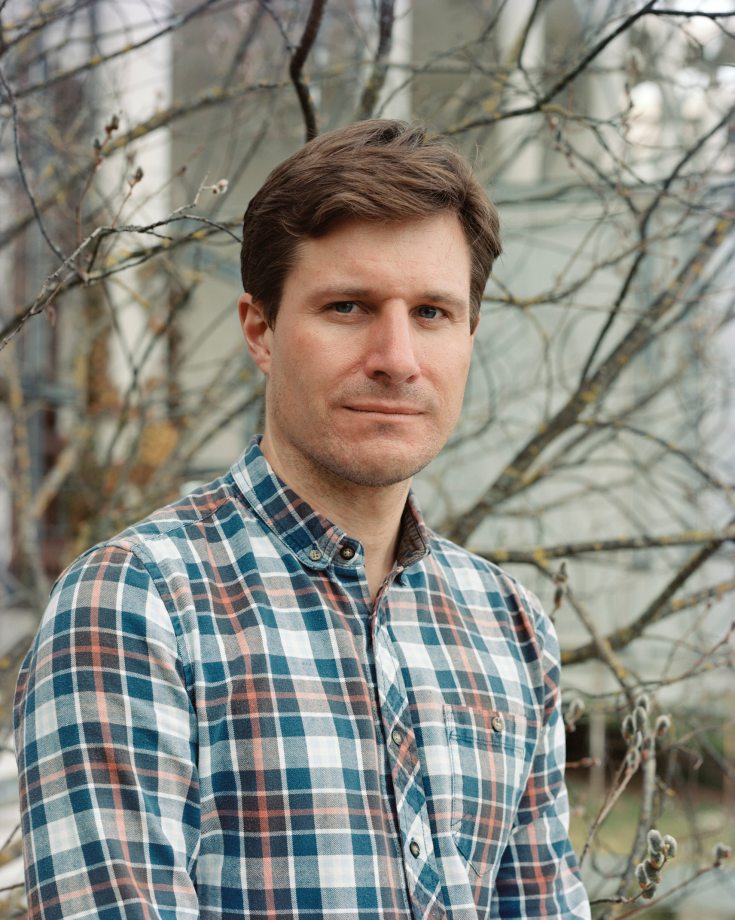
Sean Gasper Bye joined ALTA’s staff as Interim Executive Director in August 2024. Sean is a translator of Polish literature into English, focusing on contemporary literary fiction and reportage. His translations have won the EBRD Literary Prize and the Asymptote Close Approximations Prize, and been shortlisted for the Warwick Prize for Women in Translation, a National Jewish Book Award, the Sami Rohr Prize, and the National Translation Award. He has been a National Endowment for the Arts Translation Fellow and Translator-in-Residence at Princeton University. Sean also mentors emerging translators through the National Centre for Writing and the Yiddish Book Center. He lives in Philadelphia.
Sophia Marisa Lucas works as the American Literary Translator Association’s Membership and Digital Projects Coordinator. An arts administrator, curator, editor, and writer, she was raised in a bilingual Luso-American household. Previously she worked primarily in contemporary visual art, leading and supporting numerous exhibitions, publications, and digital projects with a conceptual focus on how we contend with the systems that shape our lives—from algorithms and municipal structures to narrative forms and linguistics.
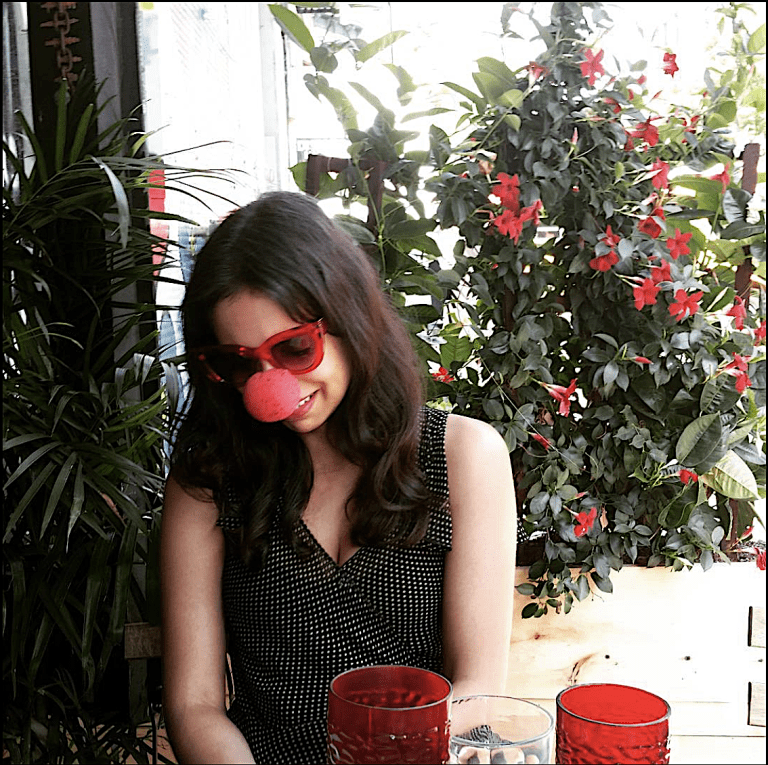

Rachael Daum works as the American Literary Translators Association’s Communications and Awards Manager. She was awarded a 2021 PEN/Heim Translation Fund Grant for her translation from Serbian of Lusitania by Dejan Atanacković, and is the translator from Croatian of The Story of a Man Who Collapsed Into His Notebook by Ivana Sajko (Fraktura, 2023) and from Russian of Letters to Robot Werther by Natalia Rubanova (Carrion Bloom Books, 2021). Rachael lives in Cologne, Germany.
Originally published on Hopscotch Translation
Tuesday, March 11, 2025

 hopscotchtranslation.com